
Brain & Spinal Cord Injuries
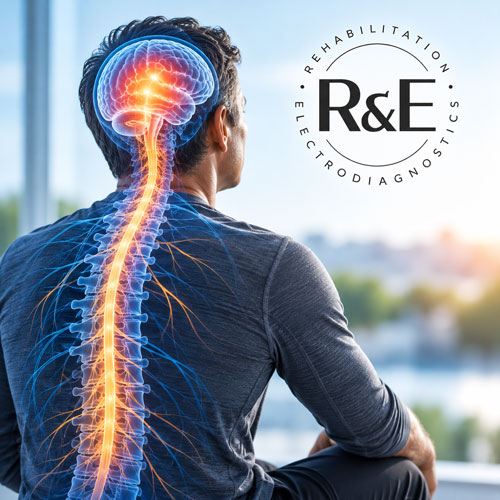
Brain and spinal cord injuries can affect movement, strength, sensation, communication, memory, behavior, and independence. Recovery often requires coordinated medical care that addresses both immediate symptoms and long-term functional needs. At Rehabilitation and Electrodiagnostics (PMRDocs), our physical medicine and rehabilitation specialists help patients manage the effects of neurological injuries and work toward their highest possible level of function.
We provide comprehensive rehabilitation care for patients in Tampa, Bradenton, and throughout the surrounding communities.

Conditions We Evaluate and Treat
- Traumatic brain injuries
- Concussions and post-concussion symptoms
- Stroke-related impairments
- Spinal cord injuries
- Weakness or paralysis
- Muscle stiffness and spasticity
- Problems with balance and coordination
- Changes in walking or mobility
- Nerve pain and altered sensation
- Bowel or bladder complications
- Difficulty performing everyday activities
- Cognitive and behavioral changes
- Complications following hospitalization
- Ongoing rehabilitation needs
Because each injury affects patients differently, treatment should be based on the individual’s symptoms, abilities, medical needs, and personal recovery goals.
When Should You See a Rehabilitation Specialist?
A physical medicine and rehabilitation specialist may become involved during hospitalization, inpatient rehabilitation, or after a patient returns home. Consider scheduling an evaluation when an injury or neurological condition causes:
- Persistent weakness, numbness, or loss of movement
- Muscle tightness, spasms, or spasticity
- Difficulty walking, transferring, or maintaining balance
- Pain that interferes with rehabilitation or daily activities
- Problems using an arm, hand, leg, or foot
- Reduced independence with dressing, bathing, or other daily tasks
- Difficulty returning to work, school, or community activities
- A need for braces, mobility equipment, or assistive devices
- New challenges after completing inpatient rehabilitation
Seek immediate emergency care for a new head or spine injury, sudden paralysis or weakness, loss of consciousness, seizures, confusion, severe headache, difficulty speaking, or loss of bladder or bowel control.
Rehabilitation Care Focused on Function
Treatment is personalized according to the type of injury, the patient’s current abilities, and their short- and long-term goals. A rehabilitation care plan may include:
- Physical, occupational, or speech therapy
- Medications to manage pain, muscle tone, or other symptoms
- Spasticity management
- Botulinum toxin injections when appropriate
- Baclofen pump evaluation, refill, or adjustment
- Brace, wheelchair, or mobility-equipment recommendations
- Prosthetic and orthotic evaluations
- Home exercise and activity recommendations
- Guidance for caregivers and family members
- Coordination with neurologists, neurosurgeons, therapists, psychologists, and other specialists
- Planning for a return to home, work, school, or community activities
Our goal is to help each patient improve function, prevent avoidable complications, and participate as fully as possible in everyday life.
How Are Brain and Spinal Cord Injuries Evaluated?
Your evaluation begins with a detailed review of the injury, medical history, current symptoms, previous treatment, and rehabilitation goals. A PM&R provider may assess strength, muscle tone, reflexes, sensation, coordination, balance, mobility, cognition, and the ability to perform daily activities.
When appropriate, the provider may review imaging, hospital records, therapy evaluations, and other diagnostic test results. Electrodiagnostic testing, including electromyography and nerve-conduction studies, may be used when symptoms suggest peripheral nerve or muscle involvement.
The evaluation may also identify secondary complications that could affect comfort, safety, mobility, or continued recovery.
When Should You See a Rehabilitation Specialist?
A physical medicine and rehabilitation specialist may become involved during hospitalization, inpatient rehabilitation, or after a patient returns home. Consider scheduling an evaluation when an injury or neurological condition causes:
-
Persistent weakness, numbness, or loss of movement
-
Muscle tightness, spasms, or spasticity
-
Difficulty walking, transferring, or maintaining balance
-
Pain that interferes with rehabilitation or daily activities
-
Problems using an arm, hand, leg, or foot
-
Reduced independence with dressing, bathing, or other daily tasks
-
Difficulty returning to work, school, or community activities
-
A need for braces, mobility equipment, or assistive devices
-
New challenges after completing inpatient rehabilitation
Seek immediate emergency care for a new head or spine injury, sudden paralysis or weakness, loss of consciousness, seizures, confusion, severe headache, difficulty speaking, or loss of bladder or bowel control.
Rehabilitation and Electrodiagnostic Care in Tampa and Bradenton
PMRDocs has served the rehabilitation needs of the Tampa Bay community since 1958. Our experienced team provides personalized care for patients living with pain, injury, disability, and complex musculoskeletal or neurological conditions.
Explore our individual condition and treatment pages to learn more, or contact our team to schedule an evaluation at our Tampa or Bradenton office.