
Neuromuscular Conditions
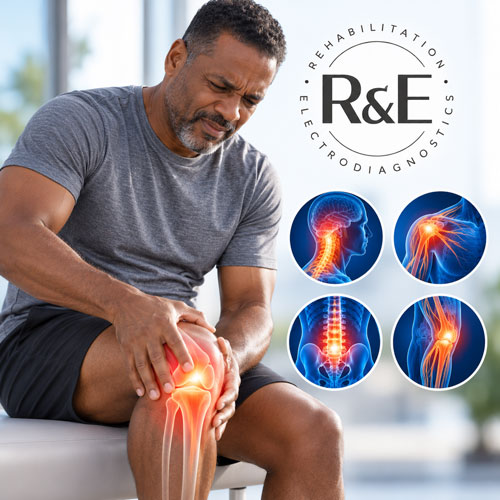
Neuromuscular conditions affect the nerves, muscles, or the communication between them. These disorders can cause weakness, numbness, tingling, muscle cramps, balance problems, fatigue, and difficulty completing everyday activities. At Rehabilitation and Electrodiagnostics (PMRDocs), our physical medicine and rehabilitation specialists evaluate neuromuscular symptoms and develop personalized treatment plans focused on mobility, comfort, function, and independence.
We provide comprehensive neuromuscular care and diagnostic testing for patients in Tampa, Bradenton, and surrounding communities.

Conditions We Evaluate and Treat
- Peripheral neuropathy
- Carpal tunnel syndrome
- Ulnar neuropathy
- Cervical and lumbar radiculopathy
- Sciatica
- Pinched or compressed nerves
- Muscle weakness
- Myopathies and muscle disorders
- Neuromuscular junction disorders
- Nerve injuries
- Foot drop
- Brachial plexus injuries
- Spasticity and abnormal muscle tone
- Amyotrophic lateral sclerosis
- Muscular dystrophy
- Complications related to stroke, brain injury, or spinal cord injury
Because weakness, numbness, and pain can have several possible causes, a detailed medical evaluation is important for reaching an accurate diagnosis and determining the appropriate next steps.
When Should You See a Neuromuscular Specialist?
Consider scheduling an evaluation if you experience:
- Persistent numbness or tingling
- Muscle weakness that is new or worsening
- Pain that travels into an arm or leg
- Difficulty gripping, lifting, walking, or climbing stairs
- Frequent muscle cramps, spasms, or twitching
- Loss of balance or repeated falls
- Foot drop or changes in the way you walk
- Reduced coordination or dexterity
- Symptoms that have not improved with conservative treatment
- Unexplained changes in your ability to perform everyday activities
Seek immediate medical attention for sudden weakness or paralysis, difficulty breathing or swallowing, loss of consciousness, severe confusion, or symptoms that may indicate a stroke.
How Are Neuromuscular Conditions Diagnosed?
Your evaluation begins with a review of your symptoms, medical history, medications, previous injuries, and functional concerns. A PM&R provider may assess your muscle strength, reflexes, sensation, coordination, balance, range of motion, and walking pattern.
Depending on your symptoms, the provider may recommend or review imaging, laboratory testing, or electrodiagnostic studies. Electromyography and nerve-conduction studies—commonly referred to as EMG/NCS testing—evaluate how nerves and muscles are functioning.
These tests may help identify:
- Nerve compression or entrapment
- Nerve damage
- Radiculopathy caused by an irritated spinal nerve
- Peripheral neuropathy
- Muscle disorders
- Problems affecting communication between nerves and muscles
Test results are considered alongside your symptoms and physical examination to help guide diagnosis and treatment.
Treatment Focused on Mobility and Function
Treatment depends on the condition, its severity, and how it affects your daily life. Your personalized care plan may include:
- Physical or occupational therapy
- Medications when appropriate
- Activity and lifestyle recommendations
- Home exercise and stretching guidance
- Braces, splints, or assistive devices
- Pain-management procedures
- Spasticity management
- Botulinum toxin injections when appropriate
- Baclofen pump evaluation and management
- Wheelchair or mobility-equipment recommendations
- Coordination with neurologists, therapists, surgeons, and other specialists
Our goal is to help manage symptoms, maintain or improve mobility, prevent avoidable complications, and support greater participation in work, home, and community activities.
Why Choose a Physical Medicine and Rehabilitation Physician?
A physical medicine and rehabilitation physician, also known as a physiatrist, specializes in conditions involving the nerves, muscles, bones, joints, movement, and function. Physiatrists evaluate how a neuromuscular condition affects the whole person rather than focusing only on a single symptom or test result.
They can perform electrodiagnostic testing, coordinate rehabilitation therapies, recommend assistive equipment, manage certain symptoms and procedures, and collaborate with other medical specialists when additional care is needed.
Rehabilitation and Electrodiagnostic Care in Tampa and Bradenton
PMRDocs has served the rehabilitation needs of the Tampa Bay community since 1958. Our experienced team provides personalized care for patients living with pain, injury, disability, and complex musculoskeletal or neurological conditions.
Explore our individual condition and treatment pages to learn more, or contact our team to schedule an evaluation at our Tampa or Bradenton office.