
EMG and Nerve-Conduction Testing
Numbness, tingling, weakness, muscle cramping, and pain that travels into an arm or leg may be signs of a nerve or muscle condition. Electromyography and nerve-conduction studies—often performed together and referred to as EMG/NCS testing—help evaluate how well your nerves and muscles are working.
At Rehabilitation and Electrodiagnostics (PMRDocs), our physical medicine and rehabilitation specialists perform electrodiagnostic testing to help identify the source of neuromuscular symptoms and guide appropriate treatment.
We provide EMG and nerve-conduction testing for patients in Tampa, Bradenton, and surrounding communities.

What Is EMG and Nerve-Conduction Testing?
Nerve-Conduction Study
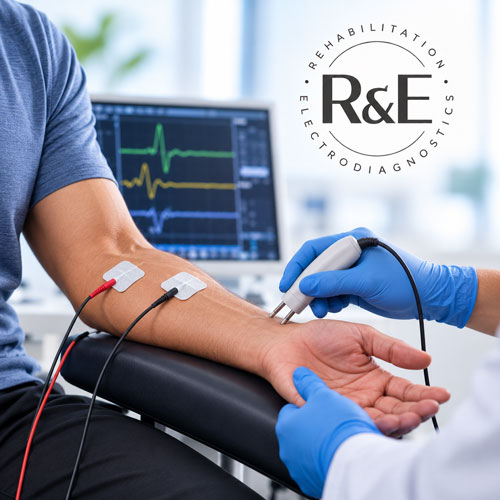
A nerve-conduction study measures how quickly and effectively electrical signals travel through specific nerves. Small electrodes are placed on the skin, and brief electrical impulses are delivered to stimulate the nerve. The responses are recorded and evaluated for signs of nerve compression, injury, or disease.
Electromyography
Electromyography evaluates the electrical activity within selected muscles. A physician places a thin, sterile needle electrode into specific muscles to record their activity at rest and during movement.
Together, these tests help your provider determine whether symptoms are related to a nerve, muscle, nerve root, or the communication between nerves and muscles.
What Conditions Can EMG/NCS Testing Help Diagnose?
EMG and nerve-conduction studies may be recommended when a patient experiences unexplained weakness, numbness, tingling, muscle cramping, or radiating pain. Testing may help evaluate conditions such as:
- Carpal tunnel syndrome
- Ulnar neuropathy
- Peripheral neuropathy
- Cervical radiculopathy
- Lumbar radiculopathy
- Sciatica
- Pinched or compressed nerves
- Nerve injuries
- Brachial plexus injuries
- Foot drop
- Muscle disorders
- Neuromuscular junction disorders
An EMG/NCS does not diagnose every cause of pain or weakness. Your provider will interpret the results alongside your symptoms, physical examination, medical history, imaging, and other relevant tests.
When Should You Consider EMG/NCS Testing?
Your healthcare provider may recommend electrodiagnostic testing if you experience:
- Persistent numbness or tingling
- Muscle weakness
- Pain that travels down an arm or leg
- Difficulty gripping or holding objects
- Hand or foot weakness
- Muscle cramping or twitching
- Changes in balance or walking
- Suspected carpal tunnel syndrome
- Symptoms that may be related to a pinched nerve
- Unexplained loss of muscle function
Testing can help confirm a suspected diagnosis, identify where a nerve problem is located, assess its severity, and distinguish between conditions that cause similar symptoms.
How Should You Prepare for an EMG?
Most patients can continue their normal routine before testing unless instructed otherwise. On the day of your appointment:
- Bathe or shower so your skin is clean
- Do not apply lotion, oil, or cream to the area being tested
- Wear loose, comfortable clothing
- Bring a current list of medications
- Tell the medical team if you take blood-thinning medication
- Tell the provider if you have a pacemaker, implanted defibrillator, bleeding disorder, or other implanted medical device
Do not stop taking prescribed medication unless your healthcare provider specifically instructs you to do so.
What Should You Expect During the Test?
Your physician will review your symptoms and determine which nerves and muscles need to be evaluated. The nerve-conduction portion uses adhesive skin electrodes and brief electrical impulses. During the EMG portion, a thin needle electrode is inserted into selected muscles.
You may experience brief tingling, muscle movement, pressure, or discomfort during the examination. The length of the appointment depends on the number of nerves and muscles that need to be tested.
Your physician may discuss preliminary findings after the examination. A complete report will be prepared and shared with the referring provider when appropriate.
Why Choose a PM&R Physician for Testing?
A physical medicine and rehabilitation physician, also called a physiatrist, specializes in conditions involving nerves, muscles, movement, pain, and physical function. Physiatrists receive specialized training in performing and interpreting EMG and nerve-conduction studies.
This background allows the physician to evaluate the test results within the broader context of your symptoms, physical examination, mobility, and treatment goals.
Rehabilitation and Electrodiagnostic Care in Tampa and Bradenton
PMRDocs has served the rehabilitation needs of the Tampa Bay community since 1958. Our experienced team provides personalized care for patients living with pain, injury, disability, and complex musculoskeletal or neurological conditions.
Explore our individual condition and treatment pages to learn more, or contact our team to schedule an evaluation at our Tampa or Bradenton office.