

We Are Hiring
February 27, 2026
What Is a Physiatrist? Non-Surgical Pain Relief
October 3, 2026What Every Senior in Manatee and Sarasota County Should Know
Back pain is one of the most common reasons adults seek medical care. While many episodes of low back pain are related to muscle strain, arthritis, or degenerative disc disease, there is another important cause that is frequently overlooked—vertebral compression fractures.
Compression fractures affect hundreds of thousands of Americans every year and are especially common in adults over the age of 65. Because Manatee and Sarasota Counties have one of Florida’s largest senior populations, understanding these fractures—and the underlying condition of osteoporosis—is essential.
What Is a Vertebral Compression Fracture?
The spine is made up of individual bones called vertebrae. A compression fracture occurs when one of these bones weakens and partially collapses.
Unlike fractures caused by major trauma, vertebral compression fractures often occur during routine daily activities such as:
- Lifting a grocery bag
- Bending over to tie a shoe
- Stepping off a curb
- Coughing or sneezing forcefully
- A simple fall from standing height
Many patients are surprised to learn that they fractured their spine without experiencing a major accident.
The Connection Between Osteoporosis and Compression Fractures
The leading cause of vertebral compression fractures is osteoporosis.
Osteoporosis gradually decreases bone density, making bones more fragile and susceptible to fracture. Unfortunately, osteoporosis is often called the “silent disease” because most people have no symptoms until they break a bone.
Women are at greatest risk after menopause, but osteoporosis also affects many men over the age of 70. Other risk factors include:
- Family history of osteoporosis
- Smoking
- Long-term steroid use
- Low body weight
- Vitamin D deficiency
- Limited physical activity
- Previous fractures
The first sign of osteoporosis may actually be a compression fracture.
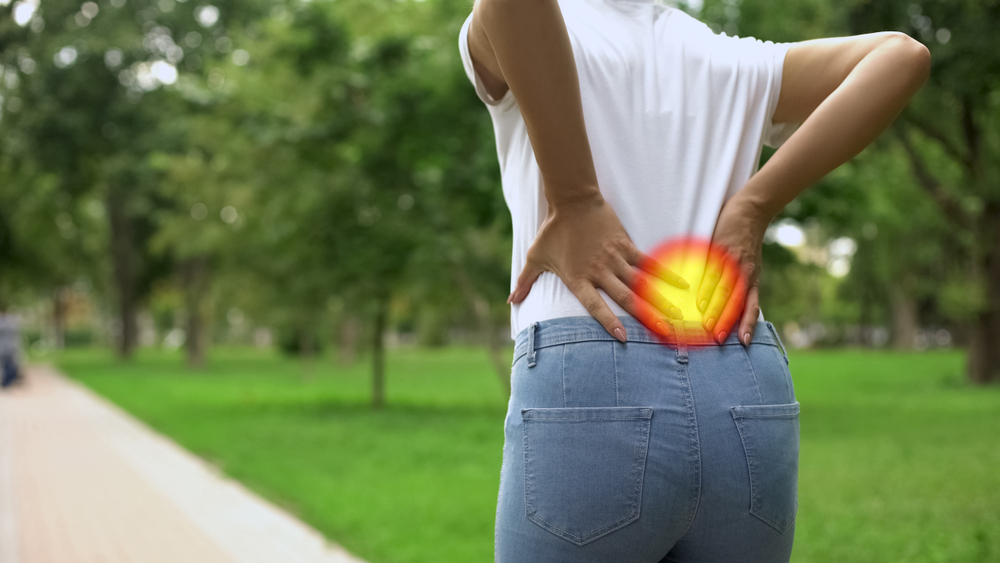
What Does a Compression Fracture Feel Like?
Symptoms can vary, but many patients describe:
- Sudden onset of severe mid-back or low back pain
- Pain after lifting, bending, or twisting
- Pain that worsens with standing or walking
- Relief when lying down
- Difficulty getting out of bed or a chair
- Progressive loss of height
- Development of a rounded or stooped posture
Some compression fractures cause surprisingly little discomfort, which means they can go undiagnosed for months or even years.
Why Early Diagnosis Matters
Ignoring a compression fracture can lead to chronic pain, reduced mobility, and additional fractures.
When one vertebra collapses, it changes the alignment of the spine. This increases stress on neighboring vertebrae and raises the risk of future fractures.
Research has shown that patients who experience one osteoporotic compression fracture are at significantly higher risk of sustaining another.
Early evaluation allows your physician to identify the fracture, determine whether osteoporosis is present, and develop a treatment plan aimed at reducing pain and preventing future injuries.
How Are Compression Fractures Diagnosed?
Your physician will begin with a detailed history and physical examination.
Depending on your symptoms, imaging may include:
- X-rays
- MRI
- CT scan
- Bone density testing (DEXA scan)
Because back pain has many possible causes, obtaining the correct diagnosis is critical before beginning treatment.
Treatment Options
Fortunately, most compression fractures can be managed successfully.
Treatment may include:
- Activity modification
- Physical therapy
- Pain management strategies
- Osteoporosis medications
- Calcium and vitamin D supplementation
- Fall prevention measures
- Bracing in selected patients
For patients whose pain remains severe despite conservative treatment, minimally invasive procedures such as vertebral augmentation (vertebroplasty or kyphoplasty) may be considered after a careful evaluation.
Preventing Future Fractures
The best treatment is prevention.
Simple lifestyle changes can significantly improve bone health:
- Participate in regular weight-bearing exercise.
- Maintain adequate calcium and vitamin D intake.
- Avoid smoking.
- Limit excessive alcohol use.
- Discuss osteoporosis screening with your primary care physician.
- Address balance problems and reduce fall hazards at home.
Even if you’ve already experienced a compression fracture, treatment of osteoporosis can substantially reduce your risk of future fractures.
When Should You See a Spine Specialist?
Seek medical evaluation if you experience:
- Sudden back pain after a minor injury or lift
- Persistent back pain lasting more than several weeks
- Difficulty standing upright because of pain
- Progressive loss of height
- Multiple falls
- New pain in the setting of known osteoporosis
Prompt evaluation can help determine whether your pain is related to a compression fracture, another spinal condition, or another medical problem entirely.

Natacha S. Falcon, DO
Physical Medicine & Rehabilitation
Serving Patients Throughout Manatee and Sarasota Counties
At our practice, we evaluate and treat patients with acute and chronic spine conditions, including vertebral compression fractures, osteoporosis-related back pain, degenerative spine disorders, and other causes of neck and back pain.
Our goal is to identify the source of your pain, recommend evidence-based treatment options, and help you return to the activities you enjoy. If you or a loved one develops sudden back pain after a fall—or even after an everyday activity—don’t assume it is simply part of aging. Early evaluation can make a significant difference in both recovery and long-term bone health.
If you’re experiencing persistent back pain or have concerns about osteoporosis, contact our office to schedule a consultation and learn about your treatment options.
Schedule an Evaluation with our Tampa or Bradenton Physiatrist
If pain, weakness, numbness or mobility problems are interfering with your daily life, our Physical Medicine and Rehabilitation physicians can help identify the source of your symptoms and develop a treatment plan tailored to your needs.
Rehabilitation and Electrodiagnostics, P.A. provides physiatry and non-surgical rehabilitation care at our Downtown Tampa and Bradenton locations.